
Is your estate planning attorney retiring? If the lawyer who prepared your will, trust or powers of attorney is closing the office, you can arrange a review with another lawyer. You do not have to leave an older plan untouched simply because its original author is no longer available.
Start by finding your signed documents and learning who will hold the former lawyer’s files. Then review what has changed in your family, property and wishes. The goal is to understand what you already have before deciding whether an amendment, replacement document or no change is appropriate.
At the Law Offices of Christopher A. Benson, PLLC, we help Washington clients review their estate planning needs. Here are five practical steps for making that transition.
If your former lawyer is still available, contact the office before it closes. Ask where your file will be stored, who will answer future requests and whether the office holds any original signed documents. Keep the retirement letter and updated contact information with your estate planning records.
Washington’s professional conduct rules require reasonable steps to protect a client’s interests when representation ends, including surrendering papers and property to which the client is entitled. The rule also recognizes limits under other law. It should not be read as a promise that every historic file will still be available. Washington RPC 1.16(d).
If another firm is taking custody of the records, clarify whether it is only storing them or has agreed to represent you. A file transfer is not a substitute for discussing the new lawyer’s role and the scope of the work you want done.
Gather your signed will, trust, amendments, codicils, powers of attorney and health care documents. Include any community property agreement and correspondence explaining how the plan was intended to work. Keep earlier amendments with the underlying document so the reviewing lawyer can follow the complete sequence.
Identify which documents are originals and which are copies. Do not discard older signed papers because you have found a newer-looking version. An unsigned draft, a signed amendment and a complete replacement document can have very different significance.
The Washington State Bar Association’s document-retention guidance distinguishes original client documents from ordinary file copies and recommends returning originals to clients. Ask specifically about originals rather than assuming that a PDF of the file answers the question. WSBA Document Retention Guide.
If something is missing, bring what you have and explain the gap. That gives the new attorney a starting point for identifying records to request. For background on one common document, read our Washington will overview.
A lawyer’s retirement alone does not revoke your will. Washington law sets out how a will may be revoked; changing lawyers is not one of those acts. That does not establish that every provision of an older will is valid or still suitable for your circumstances. RCW 11.12.040.
Tell the reviewing lawyer about births, deaths, marriages, divorces, property purchases and changes in the people you trust to help. Explain your goals in everyday language. For example, you may want a different person to handle financial matters or want to reconsider how a home would pass to family members.
Trust changes require particular care. Whether and how a trust may be amended depends on its terms and applicable law. Washington’s statute contains specific rules for revocable trusts, multiple trustors and agents acting under powers of attorney. Do not assume that a surviving spouse or adult child can freely rewrite every part of a family trust. RCW 11.103.030.
Bring the entire trust for review rather than just its signature page. Our revocable living trust FAQs provide introductory information, but the language of your own documents matters.
An estate plan review should include practical questions about how the documents would be used. Are your nominated personal representative, successor trustee and agents still willing and able to serve? Do you have current contact information for them? Have the accounts or property described in your records changed?
Bring recent account statements, available beneficiary-designation records and real estate deeds. Tell the attorney about property outside Washington, business interests and any recent death affecting jointly prepared documents. Do not transfer property or change beneficiaries merely to make a list look consistent; first discuss the legal and tax consequences of the proposed change.
Review powers of attorney as well. Washington law does not treat the passage of time alone as ending an agent’s authority unless the document provides otherwise. It also says that signing a later power of attorney does not automatically revoke an earlier one unless the later document provides for that revocation. Coordinating versions matters. RCW 11.125.100.
Ask prospective counsel whether they review plans prepared by other firms, how they decide between amendments and replacement documents, and what information they need before recommending changes. Discuss who will handle your matter, the scope and cost of the review, and how future questions will be addressed.
Continuity deserves a practical conversation. Who will keep copies? Where should you store originals? How should your family contact the firm? Does the lawyer also handle the kinds of administration questions your family may face later?
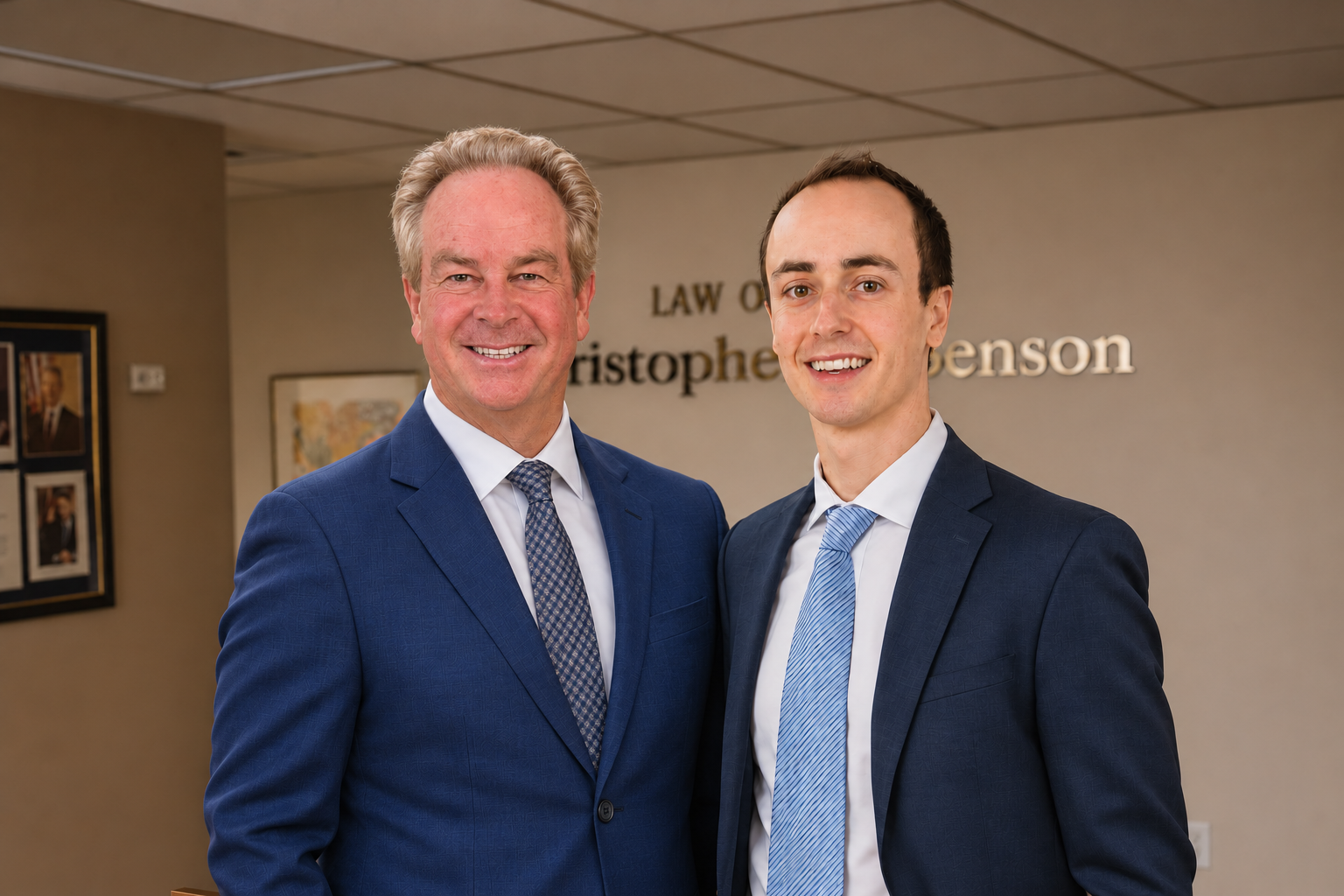
Christopher A. Benson has practiced law since 1991. His son, Logan C. Benson, also practices estate planning and probate with our family-owned firm. That combination is part of our approach to serving clients across generations. We also encourage clients to keep their own organized records and current contact information so their families know where to turn.
If your estate planning attorney is retiring, a review can help you understand your next steps without assuming that everything must be replaced. Bring your existing documents, a summary of important changes and the questions you want answered.
Our Federal Way office serves Washington clients, including people in Tacoma, Auburn, Kent and Puyallup. Learn about our Estate Planning services and Washington probate practice, or contact our office at (253) 815-6940 to discuss a consultation.
This article provides general information, not legal advice about a particular estate plan.

About the Author